

(a) You can simply present the certificate to a teller at a local branch of your bank, and CASH it. Or, (b) you can have the dollar amount (stated on the certificate) deposited directly in your bank account. Lags between transactions happening and recording in the cash book, often from paperwork delays, produce timing gaps between company records and the statement. In contracts, “outstanding” often describes obligations or payments that have not yet been fulfilled. For instance, if a service has been provided but not paid for, that payment is considered outstanding. I would periodically check and see the payment “processing.” Called the Payee on Dec 2 and they weren’t able to confirm receipt.
Who is the payee of a payment instrument?
- Note the check number, the amount, who it’s written out to, and what it’s for.
- If a check was issued to you and it’s still outstanding after six months, contact the check issuer and request a replacement.
- You may see, for example, “void after one year” or a similar message.
- The term “outstanding” indicates that the transaction remains uncompleted, with the liability resting on the payor until the check is processed.
These checks represent funds subtracted on paper but not physically withdrawn. If you’ve issued an outstanding check, you need to monitor your account. The money to cover the check must be available when your recipient deposits the check. Meanwhile, you must keep enough money in your account to cover the check when it is finally deposited. Outstanding checks create liabilities for issuers, payees, and financial institutions. For issuers, poor management of these checks can lead to financial and legal consequences.
What does outstanding lodgement on bank account mean?
If an outstanding check from the previous month did not clear the bank account in the current month, the check will remain on the list of outstanding checks. As a result, the bank reconciliation for the current month will again show the outstanding check amount as a subtraction from the bank statement balance. If an outstanding check is not cleared within a reasonable amount of time, it can result in inaccurate account balances, legal disputes, and even criminal charges for fraud or theft.
📆 Date: June 28-29, 2025🕛 Time: 8:30-11:30 AM EST📍 Venue: OnlineInstructor: Dheeraj Vaidya, CFA, FRM
Often, cash must outstanding checks be received from the payer prior to the money order being issued. Once the money order is received by the payee, it can be exchanged for cash in a manner consistent with the issuing entity’s policies. If law enforcement fails to provide probable cause and/or sufficient evidence to support their beliefs, it may be considered an invalid arrest warrant. An arrest warrant may also be considered invalid if the judge who signs is not neutral and detached from the request.

What to Do About Outstanding Checks
“Outstanding warrants” refer to legal orders issued by a court for someone’s arrest that have not yet been executed. This means the person has not been arrested despite the warrant being issued. They may contact you to remind you of the payment or, in some cases, hire a collection agency to recover the money owed. The person or entity that owes the money is responsible for outstanding debts. This means if you borrowed money or received a service, you are the one who needs to pay back what is outstanding.
- Often, cash must be received from the payer prior to the money order being issued.
- Reconciling the two accounts helps identify whether accounting changes are needed.
- By not trusting the payee to take action, you remove the possibility that they will forget or put off cashing or depositing the check.
- This makes it easier to set expectations and gives them the opportunity to plan properly.
- It remains a liability for the payor until the recipient finally decides to cash it.
- An outstanding check refers to a written check payment that has not been deposited or cashed by the payee.
- These checks, written but not yet cashed or cleared by the bank, can create account balance discrepancies and complicate financial reconciliations if not properly addressed.
Bank provides various services to its depositors such as printing checks, processing NSF checks and collecting notes receivables etc. Bank usually deducts charges from depositor’s account for such services and intimates him or her about these deductions by issuing a debit memorandum. Find if there exists any debit memorandum that have not been recorded in your accounting record. You can do so by comparing the deposits in your accounting record with the deposits shown by your bank statement. If you find a deposit in your accounting record that does not appear in bank statement, it means that particular deposit is still in transit and has not been credited to you account by the bank. If this interest is credited in the depositor’s account without intimating to depositor, the bank statement and the depositor’s record would not agree.

Your lawyer can help you prepare a defense to either get your charges dropped or reduce any resulting penalties. An arrest warrant is a legal document that is issued by a neutral magistrate or judge, and authorizes law enforcement to arrest a specified individual who has been accused of committing a crime. This warrant permits them to take the accused individual into custody based on the reason that is alleged in the warrant document. It is crucial to understand the implications of having unpaid bills, delayed vendor payments or employee salaries. The most common risk is being charged penalties due to outstanding amounts past their due date.
Definition of Outstanding Checks

Outstanding checks can create discrepancies, complicating Catch Up Bookkeeping reconciliation. An outstanding check is a check that a payee has not deposited or cashed. If you issue a check and the recipient forgets or delays in depositing, it becomes outstanding.
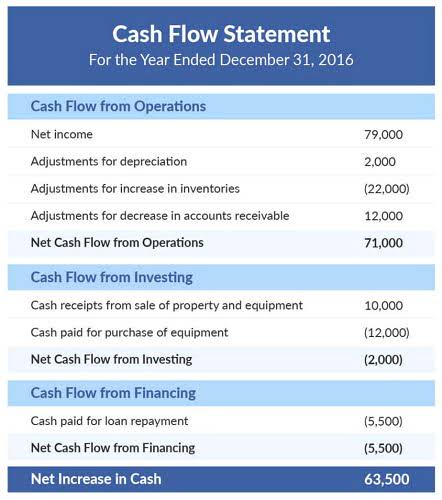
Another useful practice is to write “outstanding” on the memo line of the check when you write it so you can easily track every check you write. Note the check number, the amount, who it’s written out to, and what it’s for. Then, regularly review your bank statements and reconcile the balance, deposits, and withdrawals cash flow with your records. An outstanding check remains a liability of the payer until such time as the payee presents the check for payment, which then eliminates the liability. Outstanding checks affect the accuracy of account balances, leading to potential misinterpretations of available funds. When a check is issued, the payer’s account balance is reduced by the check amount, even though the funds have not been withdrawn by the payee.